

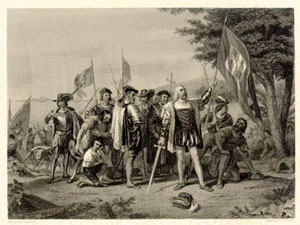
The year was 1492. Christopher Columbus not only discovered a New World, but a wonderful new enjoyment that is delighting connoisseurs throughout the entire world to this day: Tobacco.
From tobacco, came the cigar, and with it the unprecedented popularity that spread throughout Europe and the United States, attracting presidents, kings, generals, gentlemen, and a fair number of women. In fact, in 1900 an estimated four out of five men in the U.S. were cigar smokers.
Cuba led the way in the cigar industry. Early in the 16th century, Cuban peasants became tobacco growers. Later, the cigar became the country's national symbol and the Havana cigar became recognized as the world's finest.
The take-over by Fidel Castro and the subsequent U.S. embargo were the start of events that began to challenge Havana's supremacy in the world of cigars. Former Cuban cigar-makers took their skills and seeds to the Caribbean, Dominican Republic, Honduras and Mexico and began producing high-quality premium and super-premium cigars for the American public.
Today, the pure pleasures of the premium cigar are all the rage. Cigars handmade by experts from a choice blend of top-quality tobaccos and aged to perfection are referred to as premium cigars.
The Dominican Republic alone produces almost half of the hand-made cigars sold in the U.S.
Cigar smoking has burgeoned. Celebrities, industry leaders, politicians, sophisticated women and men are seen at dinners and at smoking clubs enjoying luxury cigars. The cigar is alive and well, and here to stay.